
The number has been circulating since April, and it's worth sitting with: gas turbine prices are...
How to Extend Gas Turbine Hot Gas Path Inspection Intervals
How to Extend Gas Turbine Hot Gas Path Inspection Intervals
12:10
Hot gas path (HGP) inspections are expensive, disruptive, and necessary. For operators managing combined-cycle or simple-cycle gas turbines, the question isn't whether to perform HGP inspections. The question is whether you can safely extend the intervals between them without compromising reliability or risking catastrophic failure.
The short answer: yes, but it requires a data-driven approach, proven component upgrades, and disciplined lifecycle management.
What Drives HGP Inspection Frequency?
Traditional HGP inspection intervals are set by OEMs based on conservative assumptions about component life, operating conditions, and inspection capabilities. Typical intervals range from 8,000 to 24,000 equivalent operating hours (EOH) or fired starts, depending on the turbine model and duty cycle.
These intervals exist for good reason. The hot gas path experiences the harshest operating environment inside a gas turbine:
- Combustion zone temperatures exceeding 2,800°F (1,540°C)
- Thermal cycling stress from startups, shutdowns, and load changes
- High-velocity gas flows create erosion and oxidation
- Contaminant exposure from fuel impurities and air quality
Components operating in this environment: transition pieces, turbine buckets, nozzles, shrouds degrade predictably over time. The OEM inspection interval is designed to catch degradation before it progresses to failure.
But "conservative" doesn't always mean "optimal" for your specific operating profile.
The Cost of Conservative Inspection Intervals
Every HGP inspection costs money:
- Parts replacement: $500K to $2M+, depending on findings
- Labor and outage execution: $200K to $500K
- Lost revenue during downtime: Varies by market but can exceed $1M for baseload units
- Opportunity cost: Units offline during peak pricing or high-demand periods
For a fleet of three to five turbines, the annual HGP maintenance burden can exceed $10M. If you're following OEM-recommended intervals on units that could safely run longer, you're leaving money on the table.
The flip side is equally expensive: extend intervals too aggressively, and you risk unplanned outages, secondary damage, and forced derates that dwarf the cost of a planned inspection.
The goal is to find the optimization point that maximizes runtime without increasing failure risk.
What Makes Interval Extension Possible?
Extending HGP intervals safely requires three things:
1. Advanced Monitoring and Diagnostics
You can't manage what you don't measure. Modern monitoring systems track real-time operating parameters that correlate with component degradation:
- Combustion dynamics monitoring (CDM) detects pressure oscillations that indicate hardware distress
- Exhaust temperature spread analysis identifies hot spots from cooling failures or combustion issues
- Vibration monitoring catches rotor imbalance or bearing problems before they escalate
- Borescope inspection data provides visual confirmation of component condition between major inspections
These systems don't replace physical inspections, but they provide early warning when degradation accelerates unexpectedly. If your monitoring shows stable operation with no concerning trends, that's evidence supporting interval extension.
2. Upgraded Components with Extended Life Design
Not all hot gas path components are created equal. Upgraded parts designed with advanced materials, improved cooling, and enhanced coatings can dramatically extend inspection intervals.
For example:
- Advanced turbine buckets with single-crystal alloy construction and optimized cooling geometries can double the life of conventional buckets
- Improved transition pieces with better thermal barrier coatings (TBCs) resist cracking and spalling longer
- Upgraded combustion hardware with enhanced materials reduces oxidation and thermal fatigue
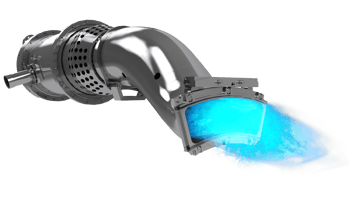
PSM's FlameSheet™ combustion system and GTOP gas turbine optimization programs incorporate these types of upgrades, allowing operators to extend intervals while maintaining or improving performance.
If you're still running original components from a 2005 turbine build, you're constrained by 20-year-old materials science. Upgrading to modern components isn't just about performance; it's about reducing lifecycle maintenance costs.
3. Operating Profile Analysis
Not all operating hours are created equal. A unit that runs baseload at steady state accumulates EOH differently than a peaking unit cycling multiple times per day.
Factors that influence component life:
- Number of fired starts: Each startup inflicts thermal stress. Units with frequent starts age faster than baseload units with the same EOH.
- Peak firing temperature: Higher temperatures accelerate oxidation and creep. Units consistently operated at max output degrade faster than those with operational headroom.
- Fuel quality: Contaminants in liquid fuel accelerate hot corrosion. Units burning clean natural gas experience less aggressive degradation.
- Ambient conditions: High ambient temperatures, high humidity, and corrosive coastal environments all accelerate component wear.
OEM inspection intervals are based on generic duty cycles. Your actual operating profile determines whether you can safely extend beyond those intervals.
Practical Steps to Extend HGP Intervals
Step 1: Baseline Your Current Condition
Before extending intervals, you need to know where you stand. Perform a detailed HGP inspection with comprehensive documentation:
- Borescope all stages
- Measure cooling hole diameters
- Document coating condition
- Record dimensional changes
This baseline establishes your degradation rate. If you're finding minimal wear at the current interval, that's data supporting extension. If you're consistently replacing multiple components at inspection, you need to address root causes before considering extension.
Step 2: Implement Continuous Monitoring
Install or upgrade monitoring systems to provide real-time visibility into turbine health:
- Combustion dynamics monitoring
- Exhaust thermocouples (individual or rake-style)
- Vibration sensors on all rotating components
- Fuel quality monitoring
Integrate monitoring data into a predictive maintenance program. The goal is to catch degradation trends before they become failures.
Step 3: Evaluate Upgrade Opportunities
Identify which components limit your current interval. Common candidates:
- Stage 1 turbine buckets: Often the first component to reach end-of-life
- Transition pieces: Prone to cracking in high-cycle applications
- Combustion hardware: Can experience distress from fuel switching or load cycling
Upgrading these components to advanced designs can unlock 50-100% interval extensions. The ROI calculation is straightforward: compare upgrade cost + extended interval savings vs. continuing with current intervals and component replacement costs.
PSM's 7F upgrades, 7EA solutions, and 501F programs are specifically designed for interval extension while maintaining or improving unit performance.
Step 4: Develop an Interval Extension Plan
Work with your engineering team or an experienced independent service provider to develop a phased extension plan:
- Phase 1: Extend interval by 10-20% with increased monitoring frequency
- Phase 2: Evaluate component condition at extended interval
- Phase 3: If the condition supports it, extend further in increments
Document the technical justification for each extension. If you ever need to defend the decision to insurance, regulators, or leadership, you want data showing the extension was technically sound.
Step 5: Perform Mid-Interval Assessments
Between major HGP inspections, perform borescope inspections at regular intervals (e.g., every 6 months or 4,000 EOH). These quick checks confirm components are degrading as expected.
If mid-interval inspections reveal unexpected wear, you can schedule a proactive HGP rather than risking an unplanned outage.
Real-World Example: 7F HGP Interval Extension
A Southeast US operator running two GE 7F units in combined cycle baseload duty was performing HGP inspections every 16,000 EOH per OEM recommendations. Each inspection costs approximately $1.8M per unit (parts + labor + lost revenue).
After installing advanced S1 buckets and upgraded transition pieces as part of a GTOP upgrade, the operator implemented continuous combustion dynamics monitoring and exhaust temperature monitoring.
Over three years, they extended HGP intervals to 24,000 EOH with no increase in component degradation rates. Mid-interval borescope inspections at 20,000 EOH showed components in better condition than historical inspections at 16,000 EOH with original parts.
The result: $2.7M in avoided maintenance costs over three years per unit, plus reduced downtime during high summer demand periods.
Common Mistakes to Avoid
Extending Without Data
"The turbine seems fine" isn't a technical justification. If you can't show monitoring data, inspection history, and component condition trends supporting the extension, you're gambling.
Ignoring Operating Profile Changes
If you've shifted from baseload to cycling duty or started burning liquid fuel, your degradation rate has changed. Don't extend intervals based on historical data from a different operating regime.
Skipping Mid-Interval Checks
Extending intervals without mid-interval borescope inspections is like driving with your eyes closed. You're saving pennies on inspections while risking dollars on unplanned outages.
Mixing Old and New Components
If you upgrade stage 1 buckets but leave original transition pieces in place, the transition pieces become your limiting factor. You haven't extended the interval—you've just shifted which component forces the inspection.
When NOT to Extend Intervals
Interval extension isn't right for every situation:
- High-cycle peaking units: Frequent startups accelerate low-cycle fatigue. These units often need shorter intervals, not longer ones.
- Units with chronic combustion issues: If you're constantly tuning for emissions or dealing with dynamics problem, fix the root cause before extending intervals.
- Aging fleets without upgrades: Original components on a 20-year-old turbine have limited remaining life. Extension makes sense after upgrades, not before.
- Units with poor monitoring: If you can't see what's happening inside the turbine between inspections, you're flying blind.
The Bottom Line
HGP interval extension isn't about cutting corners. It's about optimizing lifecycle costs using better data, better components, and better monitoring than was available when the OEM set the original interval.
Done right, interval extension reduces maintenance costs, minimizes downtime, and extends turbine life. Done wrong, it creates catastrophic failures that cost multiples of what you saved.
If you're considering HGP interval extension, start with a technical assessment of your current condition, operating profile, and monitoring capabilities. Then, develop a phased plan with clear decision gates based on the actual component condition.
Need help evaluating HGP interval extension opportunities for your fleet? PSM's engineering team specializes in lifecycle optimization for GE 7F, 7EA, 501F, and other major frames. Our GTOP programs include advanced components designed for extended intervals, and our plant assessment services can help you develop a data-driven extension plan. Contact us to discuss your specific operating profile and inspection history.